
QUICK ANSWER
For a South China sourcing, trading or operating business, Guangzhou is often the most practical starting point — and Nansha can be especially relevant when port-linked trade is central. Shenzhen may fit a business built around technology or hardware operations. Hong Kong can fit a separate overseas, holding or regional commercial structure. None of these is automatically “best”; the right choice depends on where the business will actually happen.
Do not start with “Which city is best?”
That question produces generic answers about tax, speed or lifestyle. A better question is: where do the customers, suppliers, people, contracts, payments and goods need to be? The answer determines whether you need a mainland operating company, whether a Hong Kong structure fits part of the plan, and which city deserves a closer look.
For many mainland business activities, the national foreign-investment negative-list framework is the starting point. The city decision then becomes operational: address, local execution, bank preparation, staff, logistics, customer access and ongoing compliance. A location does not remove the need to check the actual business scope and any licences. If you know a mainland company is likely, start with a company-registration assessment before committing to the city or structure.
This is not a generic city ranking. It is a way to organise the questions that affect whether the company can be operated properly after it is registered.
The three options are solving different problems
GUANGZHOU
A practical South China operating base
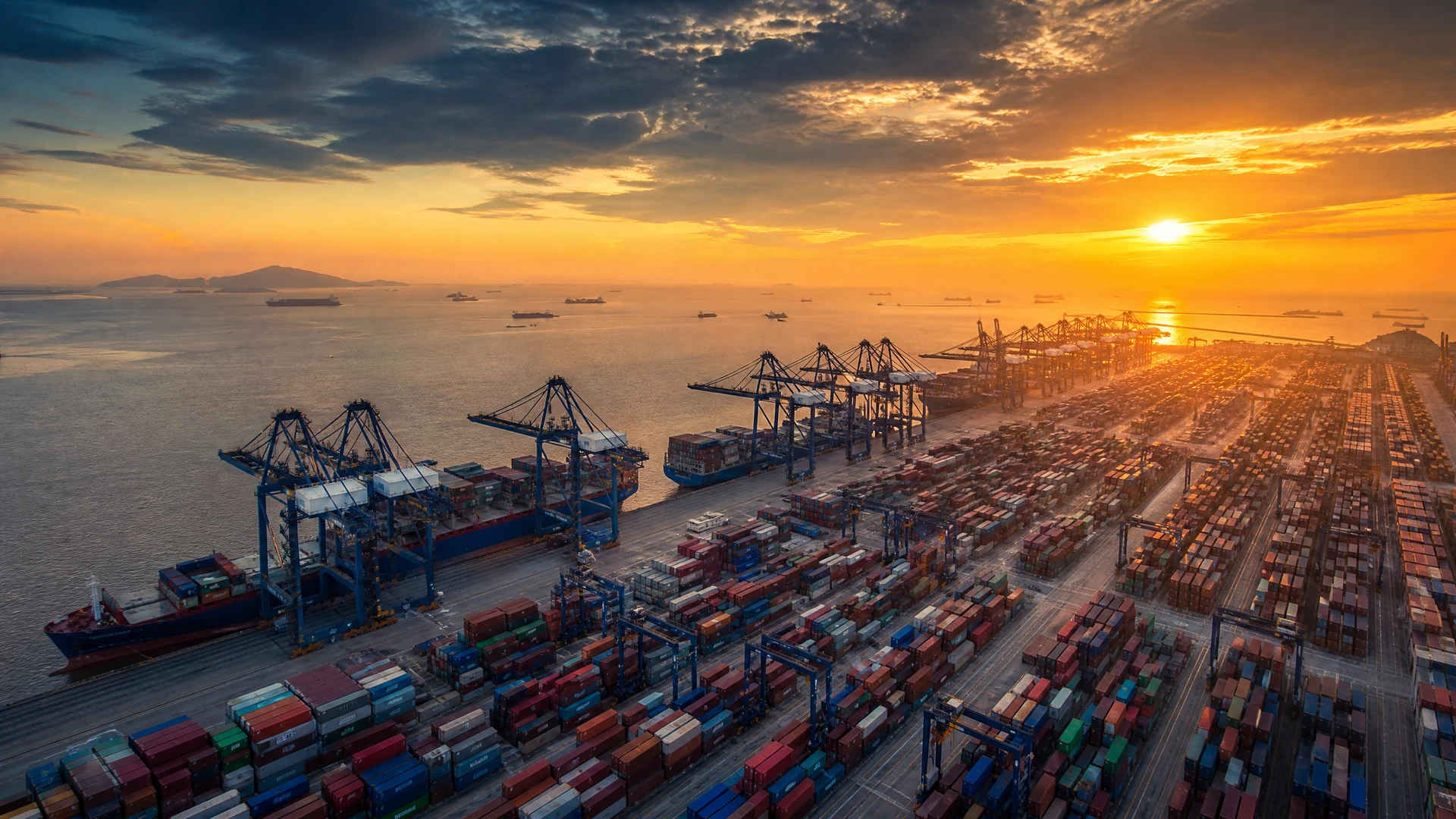
Often relevant when you need a mainland company for sourcing, trading, customer work, invoices, supplier coordination or a Guangzhou team. Nansha deserves a separate look for port-linked and cross-border models.
SHENZHEN
A technology and hardware operating question
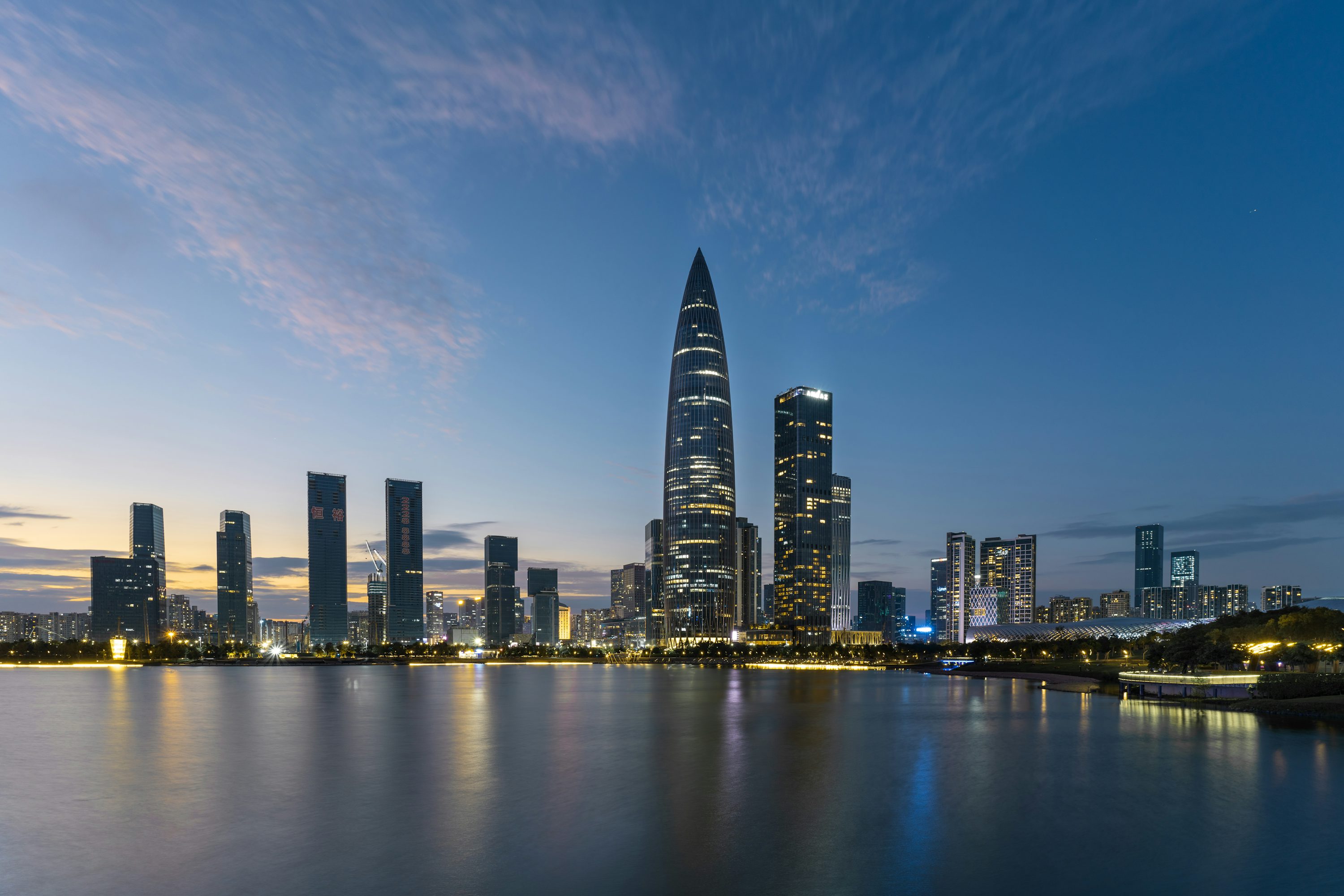
Often worth assessing when the real centre of the business is a Shenzhen technology, engineering, hardware or cross-border operations network. The entity, address, bank and work-permit plan still need local checking.
HONG KONG
A separate structure decision
Hong Kong can fit an international commercial, holding or regional plan. It should not be presented as an automatic substitute for a mainland entity when the actual operations require mainland contracts, people, licences or local invoicing.

Compare five decisions — not five city labels
| DECISION | WHAT TO TEST | WHY IT CHANGES THE SETUP |
|---|---|---|
| Customers and contracts | Where are clients? Who needs to sign and invoice? | This may determine whether a mainland operating entity is required. |
| Suppliers and goods | Which city or port network supports real buying, inspection and shipment work? | Trade activity needs a usable operating sequence, not only a business licence. |
| People and presence | Where will founders and staff work? Is a work-permit route part of the plan? | Address, role, records and real business substance need to fit together. |
| Payments and banking | What funds will enter and leave? Can the KYC story be supported? | Banks make their own decision based on documents and the real transaction plan. |
| Ongoing compliance | Who will keep the books, filings, address and records in order? | The registration city is only the beginning of the operating responsibility. |
Three business situations — not client cases
These are normal planning situations. They are not customer stories and they do not predict the right answer for every founder.
A buyer wants to source consumer goods from South China
The buyer needs supplier coordination, inspections, purchases, export documents and a clear payment flow. Guangzhou is often worth testing as the mainland operating base; if port-linked trade is central, a Nansha option may also be relevant. The next question is not just registration: it is whether the address, bank, Customs and tax plan work together.
A hardware business needs to work close to an engineering network
The team expects day-to-day product, engineering or technology operations around Shenzhen. Shenzhen deserves a detailed local assessment, rather than being treated as a more fashionable version of Guangzhou. The exact activities, address, staff plan and banking requirements should lead the decision.
A founder is testing international contracts before mainland operations
The immediate need may be an international commercial or holding structure, with no mainland staff, invoices or operational footprint yet. A Hong Kong option can be reviewed as part of that plan. If the business later moves into mainland hiring, contracting, local invoices or regulated operations, the mainland structure needs its own analysis.
Where Shanghai and Beijing fit
Do not add Shanghai and Beijing to the main table just because they are major cities. That makes the article longer without making the decision clearer. They should be assessed separately when the commercial centre of the business is genuinely there: for example, a headquarters team, key enterprise customers, a required industry network, a specific licence path or a local operating need that cannot be served from South China.
For a founder whose real suppliers, trade route and operating work are in Guangdong, a five-city comparison can distract from the useful question. For a founder whose market and team are in Shanghai or Beijing, a South China guide is not enough. The honest answer is to assess that location separately rather than make a generic promise.
A simple decision checklist
- Write down the first six to twelve months of real activity: customers, suppliers, people, invoices and goods.
- Separate the question of an overseas or Hong Kong structure from the question of a mainland operating company.
- Identify where the day-to-day operational work will happen, not just where a city looks attractive on paper.
- Check the business scope, address, banking story, trade needs and work-permit plan before paying for an entity.
- Compare first-year operating responsibility, not only a registration quote.
- If Shanghai or Beijing is genuinely central to the plan, request a separate feasibility review instead of relying on this South China comparison.
Frequently asked questions
Official sources
- Negative lists for foreign investment access, Shanghai Municipal People's Government.
- Special Administrative Measures (Negative List) for Foreign Investment Access, Beijing Investment Promotion Service Center.
- How to register a new company?, Hong Kong Companies Registry.
This guide provides general business information as at August 2026. It is not legal, tax, immigration, Customs or banking advice. The right structure and location depend on the real business, the current rules and the decisions of the relevant authority or institution.
Choose the operating plan before the city name
Tell us where your customers, suppliers, goods, team and contracts are. We will help you identify whether Guangzhou, Nansha, Shenzhen, Hong Kong or a separate location review fits your first operating plan.