
QUICK ANSWER
Three European shareholders in Guangzhou wanted to begin a trading company quickly. Their passport and translation documents were largely ready, but they were unsure whether a virtual-address solution or a physical office made more commercial sense.
They chose a virtual-address solution for the company's early stage, based on their current model and cost priorities, and added an annual advisory service with a planned monthly discussion. The point was not to buy a generic setup package. It was to make the next operating decisions earlier and with better information.
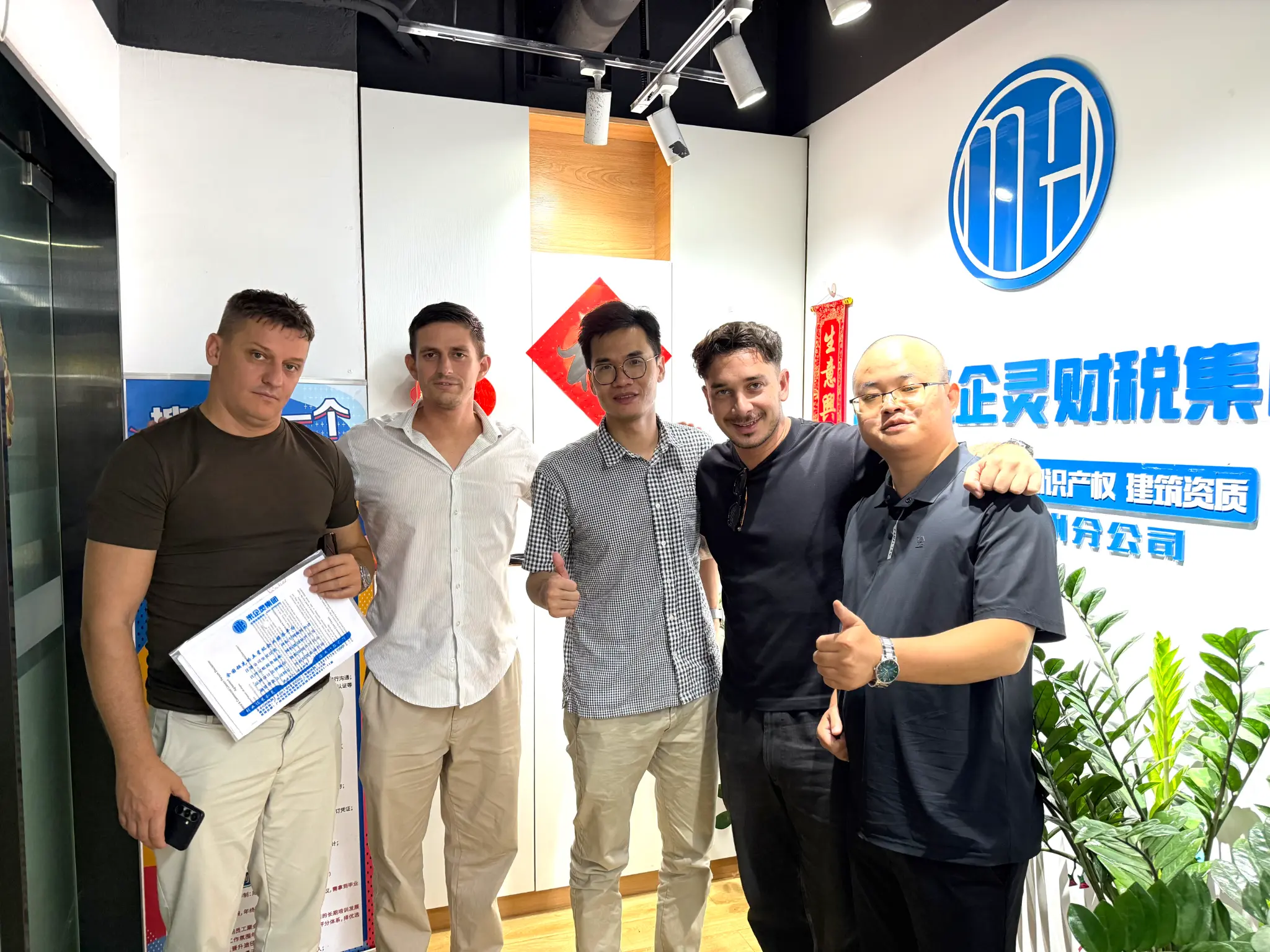
The case: a new trading company, three shareholders and one unclear decision
The founders were a European team of three shareholders, based in Guangzhou and planning a new trading company. They had searched for an English-speaking local team that could discuss the business in practical terms, and found Future Compass through our website. Their initial documents were largely prepared. The urgent question was not what a standard package cost. It was whether their first registered address would match how the business would actually start.
TEAM
Three European shareholders
BASE
Guangzhou
BUSINESS
Early-stage trading company
MAIN DECISION
Virtual address or physical office
ONGOING SUPPORT
Annual advisory service
WORKING RHYTHM
One planned discussion each month
Why the address question came before the rest
A registered address is often treated as a low-cost administrative detail. For foreign founders, it is usually a business decision with a longer tail. The address affects fixed cost now, but it can also shape later choices around actual operating space, local people, bank questions, tax records and how the company is perceived by counterparties.
The team did not need a local operational office at the first stage. They were starting the trading company before building a larger local footprint. They also did not want the early plan to be built around a work-authorisation or export-tax-refund route that was not yet part of their immediate operating model. That made a lower-fixed-cost virtual-address direction worth assessing—but only against their own facts.
The chosen direction: a virtual address for the early stage
THEIR CURRENT POSITION
A new trading company, no need for a large local office at launch, and a clear need to control early fixed cost.
THE DIRECTION CHOSEN
A virtual-address solution for the initial stage, with the address decision treated as something to revisit when the operating model changes.
This was not presented as a universal “best address” or as a shortcut around later requirements. It was a decision about the first stage. A virtual address can reduce early fixed cost where it fits the actual situation. It is not a substitute for checking the business scope, local requirements, provider documentation and practical operating plan.
When the answer may need to change
The founders understood that a later move to a physical workspace might be sensible if the company's needs changed. That could include building a local team, meeting customers regularly, holding inventory or equipment, changing the banking profile, or moving into a model where work-authorisation planning, export-tax-refund readiness or other operating requirements become central.
CASE BOUNDARY
This article documents a commercial decision in one real project. It does not mean a virtual address will be suitable for another company, accepted by a bank, or appropriate for a future work-authorisation, customs, tax or export-refund plan. Relevant institutions make their own decisions.
Why they added an annual advisory service
The founders were new to China's business environment. They did not want each question to arrive late, after a contract had been signed, a hire had been made or an invoice chain had already created a problem. They chose an annual advisory service with one planned monthly discussion to keep the company's operating questions visible.
Financial situation and cash-flow questions
Contracts and commercial operating questions
Hiring and local people-planning questions
Tax, accounting and invoice questions
Early risk flags before a small issue becomes expensive
When a separate specialist should be involved
The annual service is professional advisory within an agreed scope. It is not unlimited free review, and it does not replace formal legal, tax, employment or other specialist advice where that is needed. Its value is commercial: the founders have a regular point to test an operating question before committing time, money or reputation.
The operating lesson: the lowest initial cost is not always the lowest business cost
The useful part of this case is not “always choose a virtual address.” The useful part is the sequence. First, define how the company will actually trade. Then choose an address that fits the first stage. Then decide what will trigger a review later. The founders controlled an early fixed cost without pretending the first answer would serve every future requirement.
The monthly advisory rhythm creates a second layer of control. Rather than treating company setup as the finish line, it gives a foreign founder team a disciplined place to discuss contracts, people, tax, accounting and local operating questions before they become isolated emergencies. That is often where the real cost of “doing business in China” sits.
A PRACTICAL QUESTION BEFORE YOU SIGN
Ask whether the address you are considering fits your next 12 months—not only the lowest quote today. Include business scope, people, customer meetings, bank preparation, invoices, tax and any plan that may require a different level of operating substance later.
Questions this case raises
Discuss Your China Trading Plan Before You Commit
Tell us what you plan to buy, sell, ship, invoice and staff. We can discuss the address decision, early operating questions and a sensible professional scope for your stage.